Ghost Roads and Sacred Groves: Finding Japan's Living Spirit World in Its Forgotten Villages
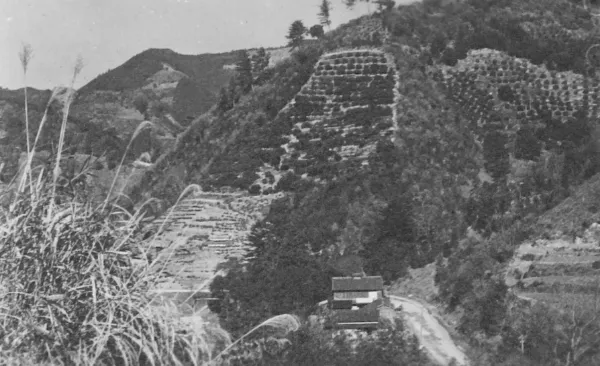
Photo: Federal Bureau of Investigation, Public domain, via Wikimedia Commons
There's a moment that happens to almost every traveler who ventures off Japan's well-worn tourist trail. You round a bend in the road, the cedar forest closes in overhead, and something shifts. The air feels different — heavier, older, like you've stepped through a door that was always there but never quite visible. That feeling isn't just atmosphere. In Japan's rural heartland, it might actually mean something.
For centuries, the Japanese countryside has been home to a parallel world of spirits, monsters, and supernatural beings collectively known as yokai. But unlike the sanitized Halloween versions you might expect, these creatures are woven into the daily life of rural communities in ways that are surprisingly practical, deeply respectful, and genuinely moving. Visiting these places isn't about seeking cheap thrills — it's about touching something essential to what furusato, that untranslatable Japanese concept of homeland and belonging, truly means.
More Than Mythology: Why Spirits Still Matter in Rural Japan
Ask a farmer in Tono, a mountaineer in Tokushima, or a shrine keeper in the Shimane countryside about local yokai, and you won't get an embarrassed laugh. You'll get a story — specific, detailed, and delivered with the kind of matter-of-fact certainty that Americans might reserve for talking about a neighbor's strange habits.
This isn't superstition for its own sake. Japan's rural spirit traditions served — and still serve — real functions. Kappa, the mischievous river creatures said to drag children into the water, were essentially safety warnings for families living near dangerous waterways. The tengu of mountain forests encoded warnings about the dangers of wandering too deep into alpine terrain. And the zashiki-warashi, the childlike house spirits of northern Japan's Tohoku region, represented a community's relationship with prosperity, luck, and the memory of ancestors.
In Tono, Iwate Prefecture — arguably Japan's most famous center of folk spirit traditions — local historians actively maintain this connection. The city's legendary Tono Monogatari, a collection of folk tales compiled by writer Kunio Yanagita in 1910, reads less like mythology and more like field journalism. Locals today will point you toward the exact forests, rivers, and farmhouses where these stories originated. The kappa aren't ancient history here. They're neighbors.
The Regions That Take Their Ghosts Seriously
If Tono is the most famous entry point into Japan's spirit geography, it's far from the only one worth your time.
Shimane Prefecture, on the Sea of Japan coast, is home to Izumo — one of Japan's oldest and most spiritually significant regions. Every October (or November by the old lunar calendar), Shinto tradition holds that all of Japan's eight million kami, or gods, travel to Izumo for a divine gathering. The month is literally called Kannazuki — the month without gods — everywhere else in Japan. In Izumo, it's called Kamiari-zuki, the month with gods. Local shrine keepers will tell you this isn't metaphor. The spiritual traffic is real, and you can feel it.
Tokushima Prefecture on the island of Shikoku is home to one of Japan's most haunting landscape traditions: the Awa Odori dance festival, which began as a ritual to guide ancestral spirits during the Obon season, and the legendary tanuki (raccoon dog) stories centered around Yashima. The region's mountain villages still maintain small roadside shrines dedicated to local spirits that predate Buddhism's arrival in Japan.
The Noto Peninsula in Ishikawa Prefecture, battered by a devastating earthquake in early 2024, has a spirit tradition tied directly to its geography. The peninsula's isolation created a unique folk culture where the boundary between the living and the dead was never considered particularly firm. The Gojinjo-daiko drum tradition, performed by men in tengu masks, was reportedly used to frighten off enemy pirates — but locals will tell you the masks carried genuine supernatural authority.
How to Actually Engage With These Traditions (Without Being That Tourist)
Here's the thing American visitors most need to understand before diving into Japan's spirit geography: these aren't theme park experiences. They're living religious and cultural practices, and how you engage with them matters enormously.
The good news is that most rural Japanese communities are genuinely welcoming to travelers who approach with curiosity and respect. Local tourist boards in places like Tono have developed guided walking tours specifically designed to introduce visitors to the folk spirit landscape without reducing it to a novelty. These tours — often led by community historians or shrine affiliates — are worth every yen.
A few practical guidelines worth keeping in mind:
Visit the shrines, but read the room. Many of Japan's rural shrines are active places of worship, not museums. If you arrive during a ceremony or see locals engaged in ritual, observe quietly from a respectful distance. Photography inside shrine buildings is often prohibited, and always ask before pointing a camera at anything that looks ceremonially significant.
Seek out local minshuku (family-run guesthouses). Staying in a minshuku rather than a chain hotel puts you in direct contact with the people who carry these traditions. Hosts are often incredibly generous with local knowledge — and many will share their own family's spirit stories over dinner if you express genuine interest.
Participate in seasonal festivals. The Obon festival season in mid-August is when Japan's spirit traditions become most visible and most communal. Rural Obon celebrations — far quieter and more intimate than the famous city versions — offer a window into how communities maintain relationships with their ancestors that's genuinely unlike anything available in Western cultural experience.
The Feeling That Stays With You
Travelers who've made the effort to seek out Japan's spirit country often describe the experience the same way: it changes how they understand the word home. The Japanese concept of furusato — the hometown of the heart, the place your spirit returns to — isn't just geography. It's a relationship between people, place, and the unseen forces that generations of human experience have mapped onto the landscape.
When a village elder in Tono tells you that the kappa still lives in the bend of the river at the edge of town, she's not asking you to believe in monsters. She's inviting you into a way of relating to the world — one where the past isn't gone, where the land has memory, and where belonging means something deeper than a zip code.
That's worth the detour. Every single time.