No Hotel, No Problem: What It's Actually Like to Stay in a Japanese Family's Home
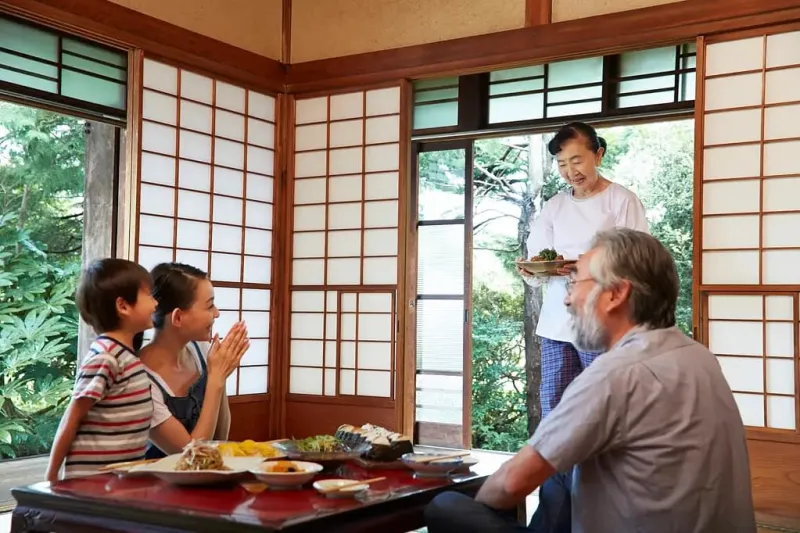
Photo: elderly Japanese grandmother hosting guests in traditional farmhouse rural Japan, via mlyhahhwafqm.i.optimole.com
At some point during most trips to Japan, a certain kind of traveler starts to feel like they're watching the country through glass. The ryokan is beautiful but choreographed. The temple is stunning but packed. The ramen is perfect but the restaurant is also on every "hidden gems" list with 40,000 saves.
If that feeling sounds familiar, there's a different kind of trip available — one that starts not at a check-in desk, but at someone's front door.
What a Homestay in Rural Japan Actually Is
The term "homestay" gets used loosely, so let's be specific. We're not talking about an Airbnb in a renovated machiya where the owner lives three towns away. We're talking about staying in someone's actual home — often a multi-generational farmhouse — where a family, frequently anchored by a grandmother (or obaachan) in her seventies or eighties, hosts guests as part of their daily life.
You sleep in a spare room with a futon on tatami. You eat at the family table. You might help hang laundry, or join in on a vegetable harvest, or sit in on a neighborhood gathering you weren't technically invited to but are warmly welcome at anyway. The line between "tourist activity" and "just living" blurs pretty fast.
This style of accommodation has been part of rural Japan for decades — many farming communities developed it partly as a way to supplement income as agricultural work declined. But it's been growing in visibility lately, especially as travelers increasingly report that they want something more than a transaction when they visit a place.
The Obaachan Factor
Here's the thing nobody warns you about: the grandmother is usually the most interesting person in the building.
In many Japanese rural homestays, it's an older woman — sometimes a widow, sometimes the family matriarch who still runs the household with quiet authority — who does most of the hosting. She cooks. She sets the pace. She decides what gets served, when meals happen, and how much of the family's story you're going to hear.
For American travelers used to the transactional efficiency of modern hospitality, this can be a genuine adjustment. Meals take longer. Communication involves a lot of gesturing, phone translation apps, and laughter. You don't get to customize your experience. You get to participate in someone else's.
That's the point.
Many guests describe the meals as the highlight of their entire Japan trip — not because the food is necessarily elaborate (it's often simple, seasonal, local), but because of the context. Someone grew those sweet potatoes. Someone learned that recipe from their own mother. The food carries a story, and somehow, across the language gap, that story comes through.
How This Kind of Tourism Works — and Who It Helps
Japan's countryside is aging fast. In many rural municipalities, more than a third of residents are over 65. Houses that once held three generations now hold one. And a lot of those houses are big — old farmhouses built for extended families, with rooms that sit empty and maintenance costs that don't.
Hosting guests gives elderly homeowners income without requiring them to leave, retrain, or dramatically change their lives. For many hosts, it also provides something harder to quantify: company, purpose, a reason to cook a proper meal.
From the tourism side, it creates exactly the kind of experience that the word furusato is built around — a genuine encounter with the texture of everyday Japanese life, not a curated version of it. Guests don't just see a region; they get a small window into how people actually live there.
Several regional governments have started formally supporting homestay networks, connecting interested hosts with travelers and providing basic training and insurance frameworks. Organizations like WWOOF Japan and various local nonprofit tourism groups also maintain directories. It's not yet as polished as booking a hotel, but the infrastructure is improving.
Practical Things You Should Know Before You Go
If you're seriously considering a rural homestay, here are some honest things to prepare for:
Language will be a real factor. Most rural homestay hosts do not speak English. Translation apps (Google Translate's camera function is your friend) and a willingness to communicate through food, gesture, and mutual goodwill go a long way. Many guests say the language barrier ended up being part of what made the experience meaningful — it forced a different kind of attention.
Flexibility is non-negotiable. Meals happen when they happen. Bathrooms are shared. Wi-Fi may be slow or nonexistent. If your travel style requires predictability and control, a homestay might not be right for this trip.
Bring a small gift. In Japanese culture, arriving at someone's home empty-handed is a miss. A small, nicely packaged food item from your home region works well — something from a local bakery, a specialty candy, anything that says "I thought about this." It doesn't need to be expensive. It needs to be intentional.
Ask your host what they'd like help with. Many guests report that offering to assist — with dishes, with garden work, with whatever's happening — shifted the dynamic from guest-and-host to something more genuinely mutual. You don't have to be useful. But offering to be is almost always appreciated.
Finding the Right Fit
Not every rural homestay is the same, and it's worth doing some research before booking. Look for programs affiliated with local tourism boards or nonprofit organizations, which tend to have vetting processes and clear communication about what to expect. Read reviews carefully — you want to understand the host's personality and communication style, not just the room.
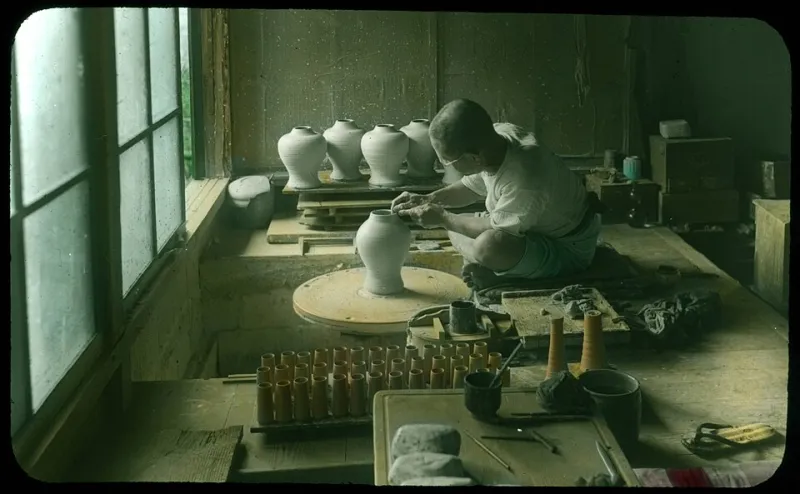
Some programs pair guests with specific hosts based on interests: farming families for people who want to work the land, fishing households for coastal visits, craft-focused families for travelers interested in traditional skills. That kind of matching makes a real difference.
And if you can manage even a few weeks of basic Japanese study before you go — enough to greet, to thank, to say the food is delicious — do it. You won't regret it.
What You'll Take Home
Guests who've done rural homestays in Japan tend to describe the experience in terms that are hard to fit on a postcard. Not "I saw this" or "I ate that," but something more like: I understood something about how people live here that I couldn't have gotten any other way.
That's the promise of this kind of travel — and, honestly, the promise of furusato itself. Not a highlight reel. A glimpse of the real thing.