No Towel, No Title: What a Village Bathhouse Strips Away — and What It Gives Back
There's a moment that happens in almost every small-town bathhouse in Japan, and American travelers describe it with eerie consistency: the moment of standing at the threshold, towel clutched like a shield, realizing there is no version of this where you get to keep your armor.
The lockers close. Your clothes, your watch, your phone — all the props of who you present as — go into a little wooden basket. And you walk out bare.
What happens next surprises people more than the nudity ever could. Nothing. Absolutely nothing. Nobody stares, nobody giggles, nobody cares. And somewhere in that nothing, something in your chest unclenches.
The Great Equalizer With Hot Water
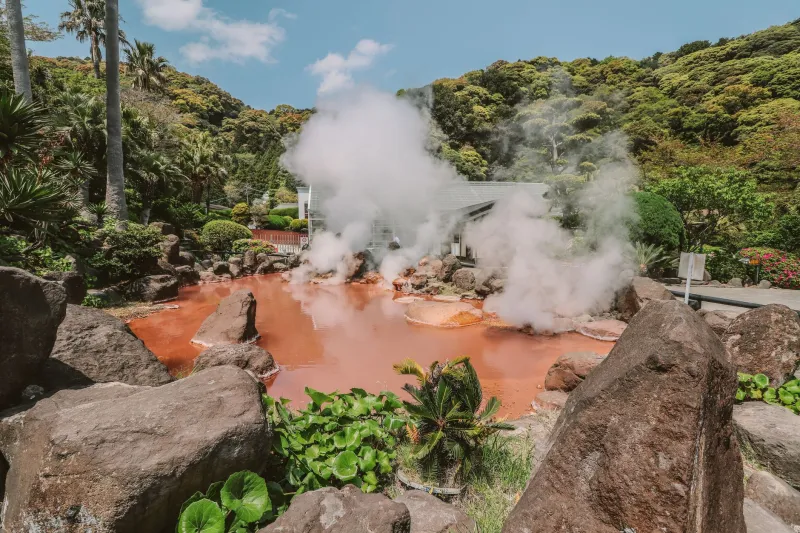
Japan's neighborhood bathhouses — the sento in town, the natural hot springs called onsen out in the countryside — have been doing something American culture never quite figured out how to do: putting everyone in a room with zero status markers and calling it Tuesday.
In a mountain village of a few hundred people, the evening bath is where the retired school principal soaks beside the guy who drives the snowplow. Where the 90-year-old grandmother gives unsolicited advice to the 30-year-old who just moved back from Osaka. Where you — the foreigner who barely speaks the language — get nodded at like you belong, because in that room, you do.
There's a Japanese saying about being "naked acquaintances" (hadaka no tsukiai), the idea that sharing a bath creates a bond that business cards can't. Strip away the suit and the title, and what's left is just a person, warm water, and time. Conversation flows differently there. Slower. More honest. The bathhouse is where village business gets settled, where gossip travels, where a newcomer gets quietly vetted and, usually, quietly adopted.
Why It Hits Americans So Hard
Here's the thing: Americans aren't shy about talking about loneliness. We've named it an epidemic. We've written bestselling books about the collapse of the third place — the coffee shop, the barbershop, the lodge hall — all the in-between spaces where community used to happen by accident.
What we don't talk about is how much of our loneliness is architectural. We built our lives so that every meaningful interaction is scheduled, opt-in, and armored. We go to gyms at 6 a.m. with headphones in. We pay extra for private everything.
So when an American steps into a village bathhouse in, say, rural Tottori or a river town in Gifu, the disorientation isn't really about nudity. It's about being seen — literally — with no role to perform. Several first-timers describe the same strange sequence: mortification, then boredom (nothing bad happened), then an almost giddy lightness. One visitor put it to us this way: "I realized I hadn't been around strangers without a screen in my hand in maybe three years."
The bath removes the phone, the outfit, the small talk about work. What's left is the oldest social contract there is: we're all in the water together, so let's just be people.
The Rules (So You Don't Panic at the Door)
If you're planning a trip and the idea makes your palms sweat, know that the ritual is simple and everyone learns it once:
- Wash before you soak. There's a row of low stools and showers along the wall. Sit, scrub, rinse thoroughly. The bath is for soaking, not cleaning.
- The small towel never enters the water. Rest it on your head or set it on the edge. It's for modesty while walking, mostly, and you'll abandon that modesty by day two.
- No tattoos? Check ahead. Many rural baths have relaxed their policies, and some now offer private-family baths (kashikiri) if you want a bridge step.
- Silence is fine. Nobody expects you to perform. A nod and a "o-hiya kara" (hot water, right?) goes a long way.
And if you're truly not ready, most onsen towns offer private rooms you can book. But the regulars will tell you — gently, after your third visit — that the shared side is where the magic is.
What You Take Home
Nobody comes back from a trip to rural Japan saying the bathhouse changed their life in a boardroom-friendly way. But you'll hear it in the details. The way they talk about their neighborhood gym differently. The way they mention, almost embarrassed, that they've started saying yes to the block party, the sauna at the community center, the neighbor's invitation.
The lesson isn't "get naked with strangers." It's that trust doesn't get built through grand gestures — it gets built through repeated, low-stakes, unguarded presence. Same water, same time, same faces. The Japanese village figured out centuries ago that community isn't a feeling you wait for. It's a room you walk into.
Even if the room requires you to leave your towel — and your title — at the door.