Ten Thousand Dollars and a One-Way Ticket: Americans Are Buying Crumbling Japanese Farmhouses — and Finding Something They Didn't Know They'd Lost
A House for Less Than a Semester of College Tuition
Let's start with the number, because it's the one that stops people mid-scroll: $10,000. Sometimes less. Sometimes free.
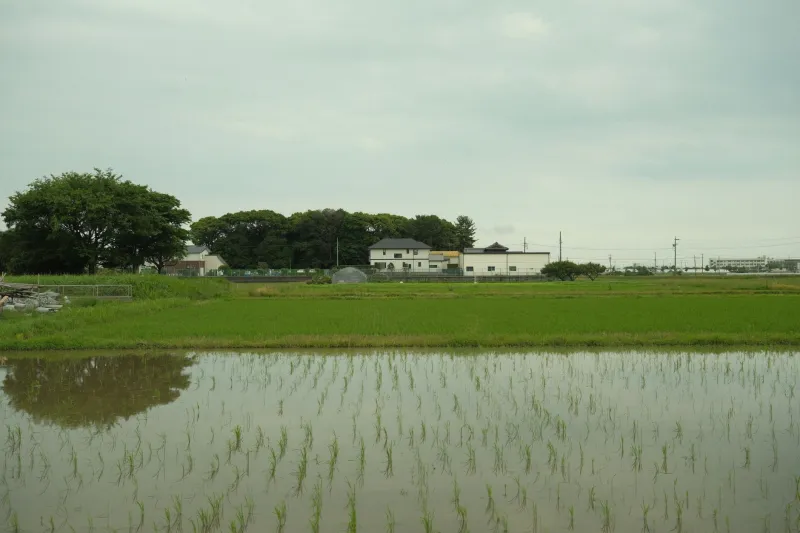
That's what it costs to own a home in certain corners of rural Japan right now — not rent, not lease, own. The catch, if you want to call it that, is that these homes have been sitting empty for years. Some for decades. Roofs sag. Tatami molds. Plum trees in the garden have gone completely feral. But the bones are there, and increasingly, Americans are flying across the Pacific to find out if they can bring them back.
This isn't a fringe thing anymore. Since Japan's Ministry of Land, Infrastructure, Transport and Tourism began formally tracking akiya — the Japanese word for vacant or abandoned homes — the numbers have climbed past nine million nationwide. Rural municipalities, desperate to stop the demographic bleeding, have built searchable databases called akiya banks, where properties are listed the way you'd list a used couch on Craigslist. Except the couch is a 100-year-old farmhouse in the mountains of Hyogo Prefecture, and it comes with a vegetable patch.
Americans found these listings. Of course they did.
Three Buyers, Three Very Different Reasons
Take Marcus, a 38-year-old graphic designer from Portland who stumbled onto an akiya listing during a pandemic-era rabbit hole that started with a YouTube video about Japanese joinery. He bought a 1920s kominka — a traditional farmhouse — in Okayama Prefecture for roughly $8,500 in 2022. "I kept waiting for the scam," he says. "There wasn't one. The house was just... there. Waiting."
Marcus spent eight months renovating it remotely, hiring a local contractor and flying out twice. He didn't move in full-time. He rents it out to other travelers for part of the year and uses it himself for a month each spring. The renovation cost him another $40,000 — still less than a down payment on a studio apartment in Portland.
Then there's Diane, a retired school librarian from Asheville, North Carolina, who had a different motivation entirely. Her grandparents emigrated from Kumamoto Prefecture in the early 1900s. She found an akiya listing in a neighboring village almost by accident and felt something she describes simply as "a pull." She closed on the property in 2023 and has been slowly restoring it with help from elderly neighbors who seem genuinely delighted that someone cares enough to try.
And there's Kevin, 44, from Chicago, who will tell you plainly that he bought his akiya in Tottori Prefecture because he was burned out, disillusioned, and needed something real to do with his hands. "I didn't have any romantic ideas about Japan," he says. "I just needed a project that wasn't a screen." He's been living there part-time for two years now and has no plans to stop.
Three people. Three completely different entry points. But ask any of them what surprised them most and you'll get a version of the same answer: the neighbors.
The Part Nobody Warns You About (In a Good Way)
Japan has a reputation — sometimes deserved — for being difficult to penetrate socially as a foreigner. Rural Japan adds another layer: tight-knit communities where families have lived for generations, where the social fabric is woven from decades of shared festivals, shared harvests, shared loss.
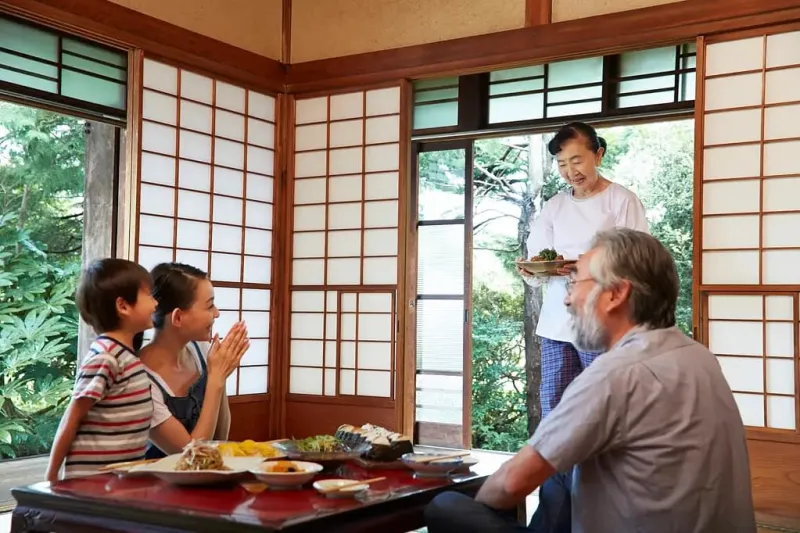
And yet, again and again, akiya buyers report being welcomed in ways that caught them completely off guard. Vegetables left on doorsteps. Invitations to local matsuri festivals. Elderly neighbors showing up unannounced to teach them how to properly repair a shoji screen.
Part of this is practical — rural communities genuinely need people, and a foreigner willing to restore a crumbling house rather than let it collapse is seen as a neighbor worth keeping. But part of it is something older than demographics. In Japan's countryside, the act of caring for a place — really caring, with your hands and your time — is a form of communication that crosses language barriers pretty cleanly.
The Legal Reality (Yes, You Need to Know This)
None of this is as simple as clicking "buy" on an akiya bank listing, and it's worth being honest about the friction involved.
Foreigners can legally own property in Japan — there's no citizenship or residency requirement for that. But purchasing a home, especially an older rural one, involves navigating a legal system conducted almost entirely in Japanese, title records that can be genuinely murky (some properties have unclear inheritance chains stretching back multiple generations), and renovation standards that vary by municipality.
Most successful akiya buyers strongly recommend hiring a licensed judicial scrivener (a type of legal professional who handles property registrations in Japan) and, if possible, a bilingual real estate agent familiar with rural transactions. Organizations like the non-profit SMOUT, which connects would-be rural residents with municipalities, can also be helpful starting points.
Renovation costs are the other variable that surprises people. A $5,000 house might need $30,000 in structural work before it's livable. Or $10,000. Or $80,000, depending on the condition of the foundation and whether the roof has been letting in water for the past decade. Getting a thorough inspection before committing — and building a serious contingency fund — isn't optional advice. It's the thing that separates a life-changing project from a financial disaster.
Some municipalities also offer renovation subsidies for buyers willing to become official residents, which can offset costs significantly. It's worth researching the specific prefecture you're looking at, because the incentives vary wildly.
What This Is Really About
Spend enough time talking to akiya buyers and a theme emerges that has nothing to do with square footage or renovation budgets. These purchases are, at their core, a rejection of something.
For Marcus, it was the feeling that everything in his life was temporary, digital, and replaceable. For Diane, it was a grief she hadn't fully named — a disconnection from a heritage that had been quietly eroding for three generations. For Kevin, it was simpler and harder to say out loud: he wanted to matter to a place.
Rural Japan, with its ancient rhythms, its satoyama landscapes of terraced fields and cedar forests, its culture of furusato — the deep attachment to one's hometown — offers something that's genuinely hard to find in contemporary American life. Not nostalgia exactly, but a model for what it looks like when people and places take care of each other over a very long time.
Buying a crumbling farmhouse won't automatically give you that. But the act of showing up, of putting your hands on something old and deciding it's worth saving, seems to be a pretty good place to start.
Where to Begin If You're Curious
If this is pulling at something in you, here are a few practical first steps:
- Browse akiya banks — many prefectures have their own, and aggregator sites like Akiya & Inaka (akiya2.com) list properties from across the country in English-friendly formats.
- Visit before you buy — spend time in the region you're considering, talk to local residents, and get a feel for whether you can actually see yourself there.
- Connect with expat communities — Facebook groups and forums dedicated to rural Japan living are full of people who've been through the process and are generally generous with advice.
- Budget realistically — assume renovation costs will be higher than your initial estimate and plan accordingly.
- Learn some Japanese — even basic conversational ability changes the experience of rural life dramatically.
The houses are there. The communities are waiting. The question is just whether you're ready to find out what belonging somewhere might actually feel like.