Louder Than Any Resort: How Japan's Emptying Villages Are Selling America on the Power of True Quiet

Photo by Photo by Zion C on Unsplash on Unsplash
There's a particular kind of quiet that's almost impossible to find in the United States anymore. Not the muffled quiet of a hotel room with blackout curtains, or the curated hush of a Sedona wellness retreat where someone is still piping in ambient sound through hidden speakers. The kind of quiet we're talking about is older than that. It's the quiet that happens when a place simply hasn't been loud in a very long time.
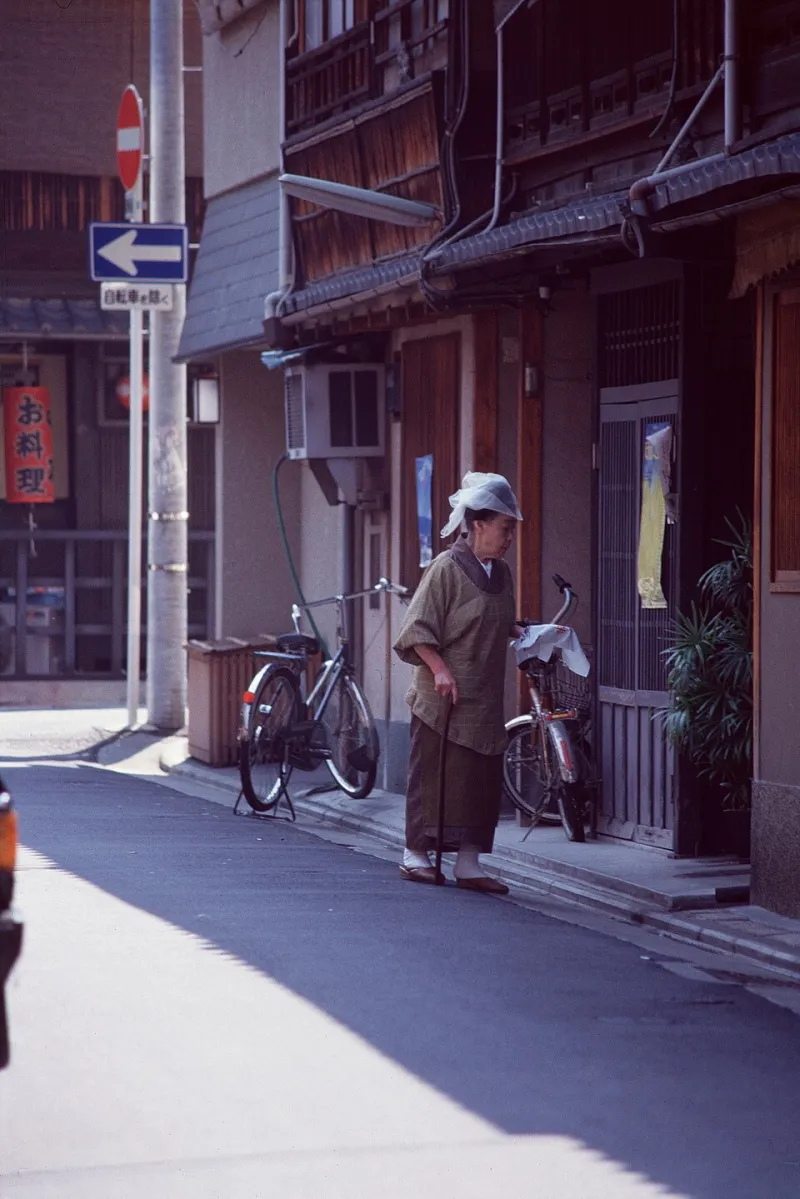
You can find it in Japan's rural interior — in the rice-farming valleys of Niigata, along the cedar-lined back roads of the Kii Peninsula, in the crumbling hamlet clusters of Tottori or Shimane where the population has been slowly thinning for two generations. These are places where the loudest thing on a Tuesday afternoon might be a crow, or the creak of an old farmhouse settling in the wind.
And Americans, in growing numbers, are making the trip specifically to hear it.
The Burnout Economy Finds an Unlikely Destination
If you follow wellness travel trends at all, you already know that the industry is enormous — Americans spend billions annually on retreats, spa getaways, and digital detox programs. But there's a growing frustration among that crowd with experiences that feel engineered. The curated silence of a Berkshires meditation center, complete with its carefully sourced herbal teas and its hourly schedule, has a ceiling. At some point, the scaffolding shows.
Rural Japan doesn't have scaffolding. The quiet there isn't a product. It's a byproduct — of depopulation, of geography, of a cultural relationship with nature that never required amplification to feel meaningful.
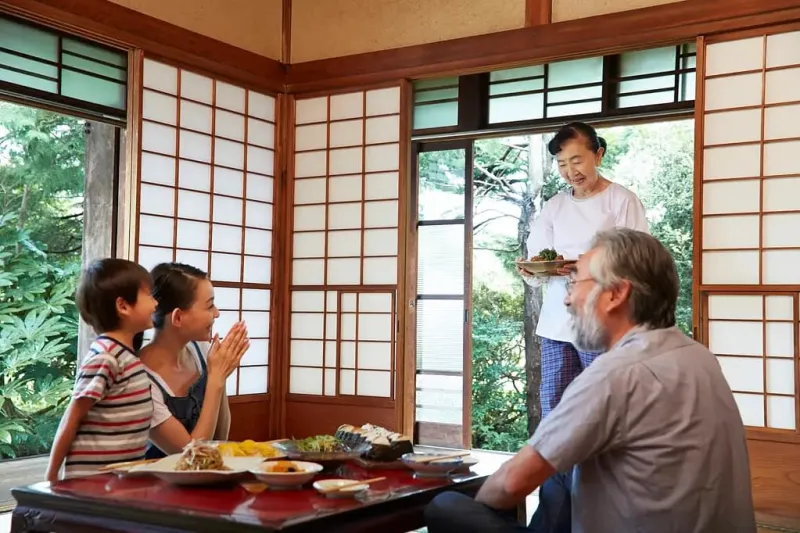
Marcus, a 38-year-old UX designer from Austin who spent three weeks in a rented kominka (traditional farmhouse) in rural Yamagata Prefecture last spring, puts it plainly: "I've done the whole retreat thing. Twice. And they're fine, but you always know you're in a container. Someone built the experience for you. In Yamagata, there was nobody building anything for me. It was just... a place that existed, and I was in it."
He booked his trip after reading about Japan's akiya — the hundreds of thousands of vacant homes in shrinking rural areas, some available to rent for almost nothing. He came expecting cheap accommodation and interesting architecture. He left with something harder to name.
"The first two days I kept waiting for noise," he says. "Like my nervous system didn't believe the quiet was real. By day four, I was sleeping better than I had in years."
What the Soundscape Actually Sounds Like
It would be wrong to call rural Japan silent in the literal sense. The countryside is full of sound — it's just a different register entirely from what most Americans live inside.
There are frogs in the rice paddies, loud enough in early summer to be almost comical. There are cicadas in August that can reach a genuine roar. Temple bells drift across valleys at dawn. Kites wheel overhead making their thin, reedy cries. An elderly neighbor might run a tiller in the next plot over for an hour in the morning.
What's missing is the constant, low-grade urban assault: traffic, construction, HVAC systems, the ambient digital noise of a society that never fully powers down. The sounds you do hear in rural Japan are almost entirely biological and seasonal. They follow a rhythm. And rhythm, it turns out, is something the human nervous system is very good at relaxing into.
Dr. Rachel Simmons, a California-based therapist who specializes in burnout recovery, has started recommending extended rural Japan stays to some of her clients — not as a formal treatment, but as a reset. "There's solid research on what's sometimes called 'attentional restoration' — the idea that natural environments allow our directed attention to rest and recover," she explains. "What makes rural Japan interesting from that perspective is that you're not just getting nature. You're getting a functioning human community that's been calibrated to that natural rhythm for centuries. It's not wilderness. It's something more livable than wilderness."
The Remote Work Factor
The rise of location-independent work has added a new layer to this conversation. If you can work from anywhere, the question of where to work becomes genuinely meaningful — and a growing number of digital nomads are answering that question with rural Japan.
Japan has made this easier in recent years, introducing a Digital Nomad Visa in 2024 that allows qualifying remote workers to stay for up to six months. Pair that with the availability of affordable kominka rentals and the increasing presence of fiber internet even in remote areas, and the practical barriers have dropped considerably.
Sophia, a 34-year-old freelance copywriter from Portland, spent four months in a small village in Nagano Prefecture last year. She came for the cost savings. She stayed for the quiet.
"I was more productive in Nagano than I've been anywhere," she says. "Not because I was working more hours — actually the opposite. I was working fewer hours and getting more done. I think when your baseline stress level drops that far, your brain just works differently."
She's not alone in noticing the cognitive shift. Multiple remote workers interviewed for this piece described a similar arc: initial restlessness, followed by a gradual decompression, followed by a kind of mental clarity they struggled to find back home.
Finding Your Quiet Corner
If this sounds like something worth chasing, the practical entry points are more accessible than you might think.
Kominka rentals are the most popular starting point. Platforms like Airbnb carry some listings, but dedicated sites and regional tourism boards often have better options — and sometimes better prices. Prefectures like Okayama, Hyogo, Shimane, and Yamaguchi have been particularly active in promoting rural stays for international visitors.
Satoyama areas — the traditional landscapes of mixed farmland, forest, and village that ring Japan's mountains — are the sweet spot between total wilderness and tourist infrastructure. You'll find enough amenities to be comfortable without enough foot traffic to break the spell.
Timing matters, too. Spring (late March through May) and autumn (October through November) offer the most forgiving weather and the most dramatic natural backdrops. Summer brings the full orchestral intensity of insect life, which some people love and others find overwhelming. Winter in the snow country regions of Tohoku and Niigata is extraordinary — visually and sonically — but requires preparation for genuine cold.
Language is less of a barrier than it used to be, but learning even a handful of phrases in the local dialect goes a long way. Rural Japanese communities tend to be genuinely warm toward visitors who make the effort, even a fumbling one.
The Thing Nobody Puts on the Itinerary
What travelers consistently report as the most lasting part of a rural Japan stay isn't a specific temple, a particular dish, or even a landscape. It's the accumulation of unhurried hours. The morning walk nobody scheduled. The conversation with an elderly farmer that lasted forty-five minutes because neither of you was going anywhere. The realization, somewhere around day five, that you hadn't checked your phone since breakfast.
Those aren't things you can book. They're things that happen when you put yourself somewhere quiet enough, and slow enough, for long enough.
Japan's shrinking villages weren't designed as wellness destinations. They're just places where life has continued, steadily and without fanfare, for a very long time. But in a world that keeps getting louder, that turns out to be exactly what a lot of people need.
The quiet was always there. We just finally got quiet enough to hear it.