Sore Muscles and Second Breakfasts: My Week Inside Japan's Autumn Rice Harvest
I've done the Japan highlight reel. I've squeezed through Shibuya Crossing, bowed to the Fushimi Inari foxes, waited ninety minutes for the perfect matcha. And like a lot of Americans, I came home from those trips feeling like I'd seen a movie trailer for a country I never actually met.
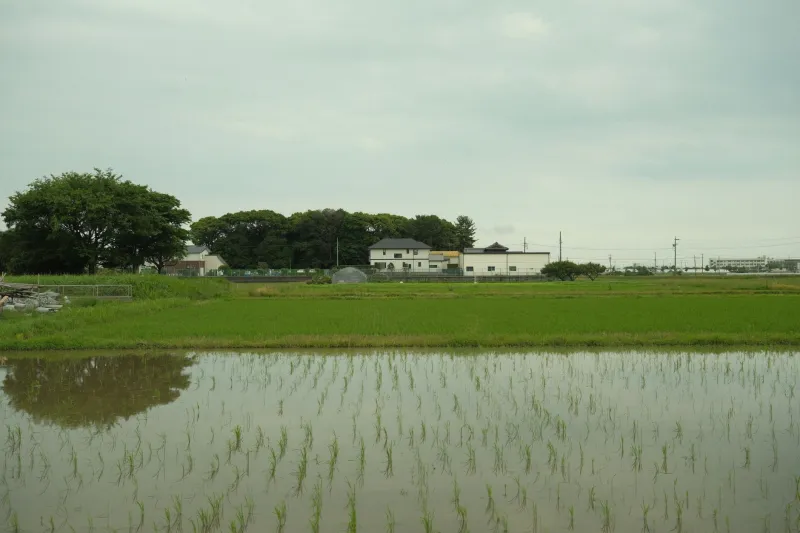
So last October, I did something different. I booked a farm stay in Niigata Prefecture timed to the rice harvest, and I promised my host family I'd actually work. Not watch. Work.
5:47 A.M., and the Mountains Are Already Awake
My alarm went off at 5:30. It didn't matter. Obaachan — the family's 81-year-old matriarch — was already in the kitchen, and the sound of her knife against a cutting board was my real wake-up call.
Breakfast was rice, miso soup, grilled mackerel, pickles from the summer garden. "Eat," she said, in the tone of a woman who has fed farmers for six decades and does not negotiate. Then we walked to the paddies as the sun came over the ridge.
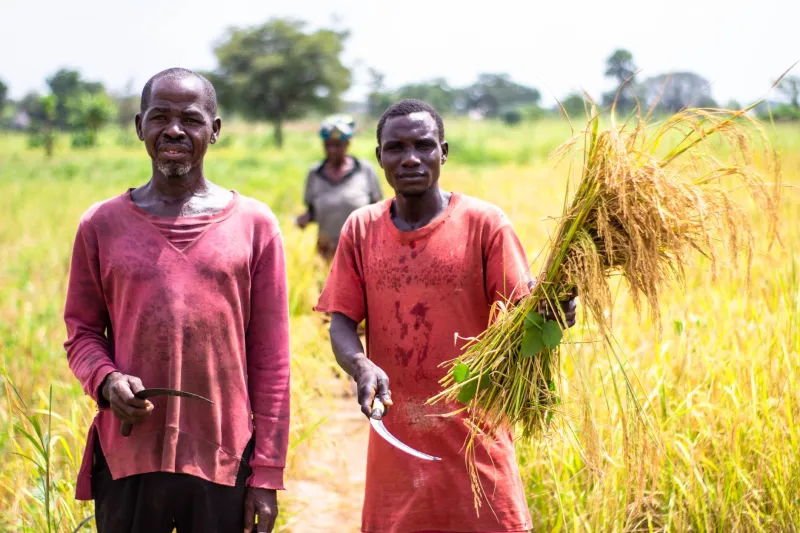
Here's what nobody tells you about the rice harvest: it's not gentle. The sickle work is rhythmic and repetitive — cut, gather, bind, set. Your lower back files a formal complaint by hour two. Your hamstrings discover muscles you forgot you rented. By day three, I'd stopped counting how much it hurt and started noticing something stranger: my brain was quiet.
The Harvest Does Something to Your Head
There's a reason researchers keep studying repetitive outdoor labor and mental health, and I got a crash course in it standing knee-deep in stubble. Cutting rice requires just enough attention to crowd out everything else. You can't doomscroll while holding a sickle. Your hands are full of your own life.
The family I stayed with ran on a rhythm that felt almost radical to my American nervous system. Work until the light softened. Bath. Dinner — an enormous, glorious spread that tasted different when you'd earned it. Asleep by 9:30, unconscious in minutes.
By the end of the week, I'd lost the tension headache I'd carried for a year. I also understood, viscerally, why a bowl of rice in Japan is treated with something close to reverence. I had watched that grain grow all season. I had cut it down. The word gochisousama hit differently after that.
What the Days Actually Looked Like
- Morning: Fieldwork from roughly 6 a.m. to 11 a.m., with a mid-morning tea break that is non-negotiable
- Midday: The biggest meal of the day, then a real rest — nobody performs busyness here
- Afternoon: Lighter tasks — hanging sheaves on drying racks, mending nets, shelling beans
- Evening: Bath, dinner, conversation through a translation app and a lot of laughing
No single day was extraordinary. That was the whole point. The trip had no itinerary, and somehow it was fuller than any itinerary I've ever built.
How to Find a Real Harvest Experience
Agritourism in Japan is growing fast, but not all programs are created equal. Here's what I learned about finding the legitimate ones:
Start with official networks. Japan's Ministry of Agriculture supports farm-stay programs through regional channels, and prefectural tourism sites — Niigata, Akita, Nagano, and Shimane are especially active — list harvest experiences directly. Search for "nouhaku" (農泊, farm stay) plus the prefecture name.
Use established booking platforms. Sites like WWOOF Japan (work in exchange for room and board), Workaway, and dedicated agritourism booking services vet host families and handle communication logistics.
Time it right. Rice harvest runs roughly late August through October depending on the region and elevation. Northern prefectures like Akita and Aomori skew September; Niigata's famous Koshihikari comes in around late September.
Be honest about your fitness level. Hosts will adjust, but they're planning real work around you. Say so upfront.
Bring cash gratitude, not performative enthusiasm. A thoughtful gift from home and genuine effort go further than any tip.
Learn ten phrases of Japanese. You don't need fluency. You need "good morning," "thank you," "delicious," and "I'm tired" — that last one will earn you an extra egg at breakfast.
The Antidote to Checklist Tourism
I spent more money flying to Japan than I did on the week itself. Farm stays typically run between $50 and $100 a night including meals — a fraction of what I once dropped on a Kyoto hotel where I saw the city mostly through a window.
But the real return wasn't financial. Checklist tourism hands you photos. A harvest hands you a body that remembers. Months later, when I eat rice, I still think of the wet field, the weight of the sheaves, and an 81-year-old woman outworking me until lunch.
My hometown in Ohio used to be surrounded by farms like that. Most are subdivisions now. Maybe that's why the week stayed with me — it wasn't just Japan I was meeting. It was a version of everywhere, and of myself, that I'd let get away.
If you're planning a trip to Japan and the temples are starting to blur together, consider giving one week to a rice field. Your back will forgive you. Your brain already knows.