Japan Sent Them Home: How Rural Japan's Comeback Is Quietly Inspiring Americans to Reclaim Their Own Forgotten Places

Photo: Associated First National, Public domain, via Wikimedia Commons
Marcus Webb didn't go to Japan to find himself. He went because a college friend had posted photos of a wooden farmhouse in Hyogo Prefecture surrounded by terraced rice fields, and he thought it looked cool. That was three years ago. Today, Marcus lives in the same small Ohio town he grew up in — the one he'd spent most of his twenties trying to escape — and he's helping run a community garden on land that sat empty for eleven years.
"I keep trying to explain it to people," he says, "and it sounds ridiculous. But something about watching a Japanese village fight for itself made me feel like I was abandoning mine."
He's not alone in that feeling.
The Countryside That Refused to Disappear
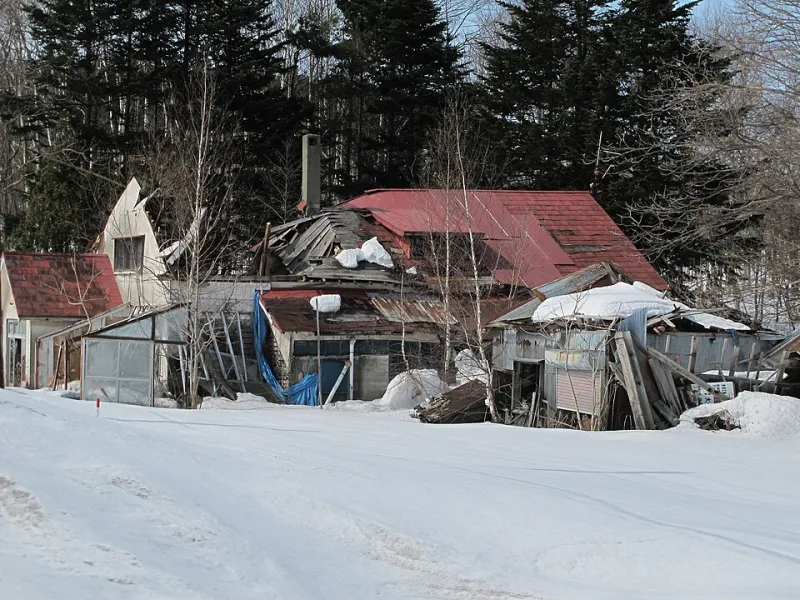
Japan's rural depopulation crisis is well documented. Decades of young people leaving for Tokyo and Osaka hollowed out thousands of small towns, leaving behind aging populations, shuttered storefronts, and a lot of empty houses — the now-famous akiya, or abandoned homes. By most conventional measures, these places should have quietly faded out.
Instead, something else happened.
A loose but powerful movement took root: local governments began offering incentives to attract new residents, young Japanese people started moving back to their hometowns in a trend called Uターン (U-turn), and outsiders — both domestic and foreign — began showing up not as tourists exactly, but as participants. Craft workshops reopened. Old festivals got new blood. Farmers found apprentices. Villages that looked like they were winding down started, somehow, winding back up.
For American visitors who stumbled into this revival, often by accident, the effect could be disorienting in the best possible way.
"I'd never seen a community take its own survival that seriously," says Renata Flores, who spent six weeks in rural Shimane Prefecture on a working homestay. "Like, not in a desperate way. In a dignified, intentional way. They weren't waiting for the government to save them. They were just... doing it."
Renata grew up in a small city in western Pennsylvania that lost its largest employer in 2008 and never fully recovered. She came back from Japan and joined a local preservation group that had been trying, with limited success, to restore a shuttered theater on Main Street.
"I had basically written that theater off as a lost cause before I left," she admits. "After Japan, I couldn't do that anymore."
What Japan Has That We Don't — and What We Might Share
It's worth being careful here. Japan's rural revival is real, but it isn't a simple fairy tale, and it doesn't translate one-to-one to American conditions. The cultural infrastructure is different. The relationship between community identity and place — what the Japanese call furusato, that deep attachment to one's hometown — has roots going back centuries. You can't import that wholesale.
But travelers who've spent real time in Japan's countryside say it's less about copying specific programs and more about absorbing a particular attitude.
In Japan's reviving villages, there's a visible respect for what already exists — old trades, local dialects, regional food traditions — that shapes how people approach rebuilding. It's not nostalgia exactly. It's more like a working conviction that the things a place has accumulated over generations are worth something, even when they're inconvenient or impractical.
That conviction, travelers say, is what tends to hit hardest.
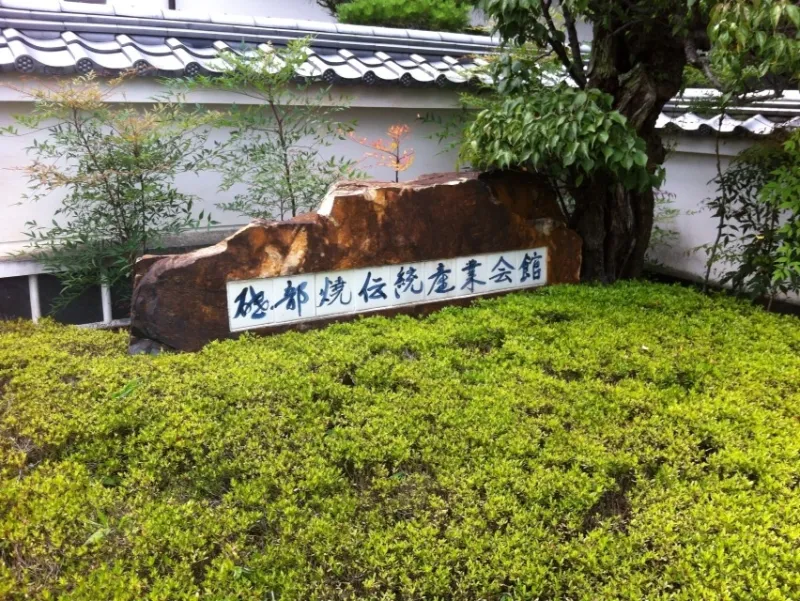
"I grew up hearing that our town's history was basically a liability," says Derek Okafor, who visited rural Iwate Prefecture while researching a documentary project. "The old buildings were eyesores. The old industries were embarrassing. Everything old was something to move past. And then I'm in this tiny Japanese town and they're celebrating a 400-year-old pottery technique like it's the most natural thing in the world. It rewired something in my head."
Derek now consults with small municipalities in Michigan on heritage tourism strategy. He's careful to say he's not trying to make Michigan into Japan. But the questions he's asking — what does this place know how to do that nowhere else does? — feel distinctly shaped by his time overseas.
The Concept of Furusato, Translated Loosely
The word furusato doesn't have a clean English equivalent. It's usually rendered as "hometown" or "old village," but it carries emotional weight that those translations can't quite hold. It implies not just where you're from, but a place that remains part of you — a place that has a claim on you even after you've left.
For many Americans, that kind of attachment to a specific place has been hard to sustain across generations of mobility. We move for jobs, for school, for cheaper rent. The idea that a place might have a claim on us can feel almost foreign.
Which is maybe exactly why encountering it in Japan lands so hard.
"I think a lot of Americans are homesick for places they never really let themselves be from," says travel writer Claire Hutchins, who has written extensively about rural Japan. "You go to Japan and see people fighting for their hometown, and you realize you've been treating yours like it was disposable. That's uncomfortable. But it's also kind of a gift."
Going Back Without Rose-Colored Glasses
None of the people interviewed for this piece are naive about what they returned to. The problems facing rural America — economic disinvestment, political fracture, inadequate infrastructure — are real and serious, and a transformative trip to Japan doesn't make them go away.
But there's something about having witnessed a different relationship between people and place that seems to create a kind of stubborn optimism. A willingness to stay in the room when it gets hard.
Marcus Webb, back in Ohio, says the community garden project has had plenty of frustrating moments. Funding fell through once. A key volunteer moved away. A neighbor complained about the noise during weekend workdays.
"But I keep thinking about this old guy I met in Japan," he says. "He was in his eighties, and he'd spent thirty years trying to revive a local weaving tradition that basically nobody cared about. And he just kept going. Not because he thought he'd definitely succeed. Just because he thought it was worth doing."
He pauses. "That's kind of the whole thing, isn't it?"
Maybe it is. Japan's rural revival didn't happen because anyone had a guaranteed outcome. It happened because enough people decided that where they were from deserved a genuine effort — and then they showed up and made one.
If that idea is traveling across the Pacific and taking root in places like western Pennsylvania and rural Michigan and small-town Ohio, that might be one of the quieter, more interesting things Japan is currently exporting.