Coming Home to Change Everything: How Young Japanese Are Rebuilding Their Hometowns From the Inside Out
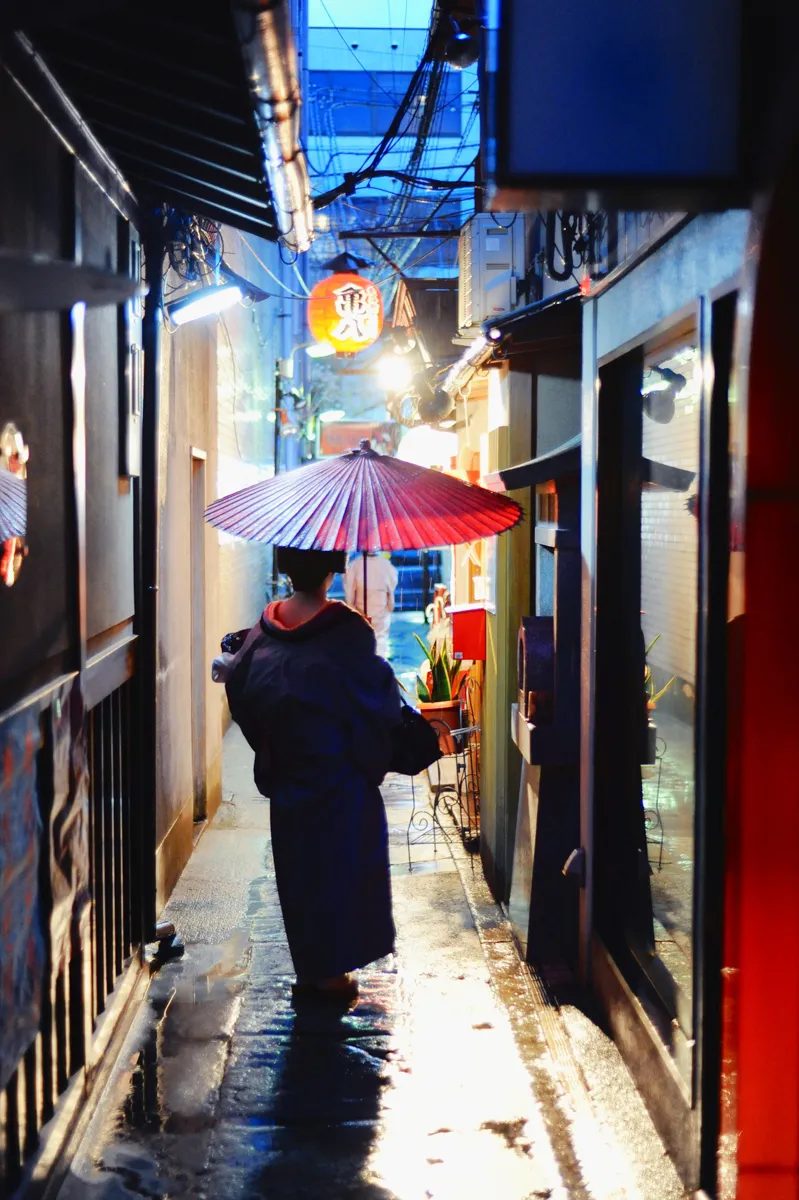
Photo: Mstyslav Chernov/Unframe/unframe.com, CC BY-SA 3.0, via Wikimedia Commons
For decades, the story of rural Japan has been written in one direction — outward. Young people left. Trains got less frequent. Shops shuttered. The elderly stayed, and the villages slowly exhaled. But somewhere between the pandemic years and a creeping collective exhaustion with Tokyo's relentless pace, that story started flipping.
Call it the U-turn generation. Japanese millennials and Gen Z professionals, many of them raised in small towns before chasing careers in the capital, are heading back. And they're not going quietly — they're opening coffee shops, launching digital studios, hosting workshops, and dragging their hometowns into the 21st century with a kind of affectionate stubbornness that's genuinely infectious.
For American travelers who've always wanted more than a perfectly staged cultural experience, this shift is worth paying attention to.
Why They Left, and Why They Came Back
It helps to understand what drove people away in the first place. Japan's postwar economic model concentrated opportunity in cities, especially Tokyo. If you wanted a serious career in media, finance, design, or tech, you went to the capital. Full stop. Rural towns weren't just inconvenient — they felt like dead ends.
But remote work changed the math. A graphic designer in Niigata can now serve clients in Shibuya without ever setting foot on the Shinkansen. A software developer in Tokushima can join Tokyo-based standups from a renovated farmhouse with a fiber internet connection. When the city stopped being the only place where professional life was possible, the calculus shifted.
There's an emotional current running underneath the practical one, too. Many returnees talk about aging parents, about wanting their own children to grow up with space and seasons, about a gut-level tiredness with apartment living and 90-minute commutes. One returnee in Shimane Prefecture — a former marketing manager who now runs a small sake tourism operation out of her family's property — put it plainly: "I kept telling myself I'd go back someday. COVID made me realize 'someday' was already gone."
What's Actually Being Built
The businesses these returnees are launching aren't the kind you'd find in a guidebook from ten years ago. They're hybrid things — part local, part global, part deeply personal.
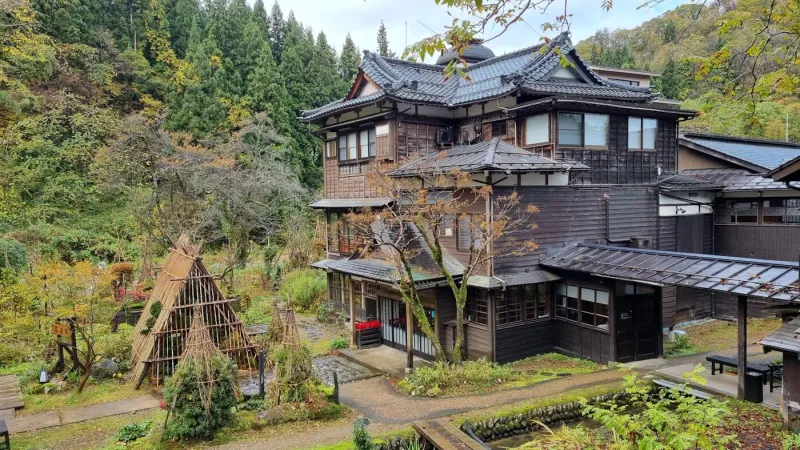
In Yamagata, a former Tokyo restaurant worker opened a farm-to-table spot that doubles as a cooking school for visitors. In Kochi, a graphic designer converted a family storehouse into a co-working space that now attracts remote workers from across Japan — and increasingly, from abroad. In parts of Akita, returnees are running agritourism experiences that let guests actually work alongside them, not just observe.
These aren't vanity projects. They're serious economic bets on the idea that rural Japan has something genuinely valuable to offer — and that the right kind of visitor will recognize it.
Cultural initiatives are part of the picture, too. Some returnees are documenting local festivals that nearly died, recruiting volunteers, and using social media to rebuild community interest from scratch. Others are partnering with local elders to revive crafts or foodways that were one generation away from disappearing entirely. There's a sense of urgency to it, but also joy — these are people reconnecting with something they once took for granted.
What This Means If You're Planning a Trip
Honestly? It means rural Japan is more interesting to visit right now than it's been in a long time.
The returnee economy tends to produce experiences that are harder to fake. When your guesthouse host also grew up in the house, knows every neighbor by name, and can tell you which mountain trail their grandfather used to walk, the conversation goes somewhere different than a standard hotel check-in. These aren't performances of authenticity — they're just people living in their actual hometowns and willing to share them.
It also means that language barriers, while real, are more navigable than they used to be. Many returnees spent years in Tokyo environments that required at least functional English, and some traveled or studied abroad. They're not tour guides, but they're often genuinely curious about foreign visitors and more comfortable with cross-cultural exchange than the average rural innkeeper might have been a generation ago.
Practically speaking, look for regions that have been active in Japan's regional revitalization programs — places like the Setouchi islands, the Noto Peninsula, parts of Tohoku, and pockets of Shikoku. These areas have seen concentrated returnee activity and tend to have more visitor-friendly infrastructure built around genuine local life rather than theme-park heritage.
The Tension Worth Acknowledging
None of this is without friction. Longtime residents don't always welcome change, even change brought by people who grew up down the road. Ideas about how a town should look, what traditions should be kept versus updated, and how much outside attention is healthy — these are live debates in many communities.
For visitors, the takeaway isn't to romanticize the U-turn phenomenon or treat returnees as characters in someone else's redemption arc. It's to approach these places with genuine curiosity and some humility. You're not visiting a revival — you're visiting a negotiation, one that's still very much in progress.
That's actually what makes it worth showing up for.
Finding Your Entry Point
If you want to connect with this side of Japan, the best approach is usually low-key and direct. Look for guesthouses and small inns that list their owners' stories on their websites. Seek out locally owned cafés and workshops rather than established tourist attractions. Follow regional tourism boards on social media — many now post in English and highlight exactly the kinds of small-scale, locally run experiences that returnees are building.
And when you get there, ask questions. Not the scripted kind, but real ones. How long have you been back? What's changed? What do you miss about the city? What surprised you about coming home?
The answers, more often than not, will be the best thing you hear on the whole trip.