Main Street Doesn't Have a Festival Problem, It Has a Participation Problem
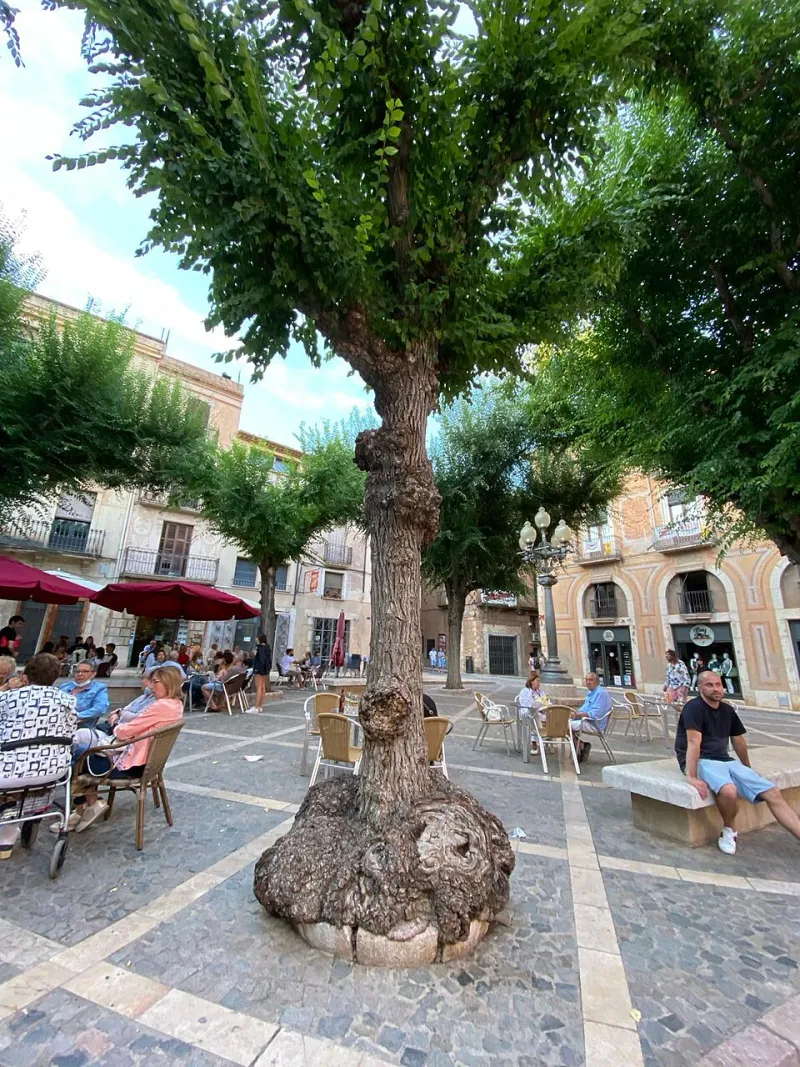
Photo: Galimatiasgg, CC0, via Wikimedia Commons
Two towns, roughly the same size, roughly the same distance from the nearest city. One has a functioning hardware store, a lively harvest festival, and a waiting list for the community farm plot. The other has a dollar store, a shuttered cinema, and an annual parade that half the residents watch from their cars.
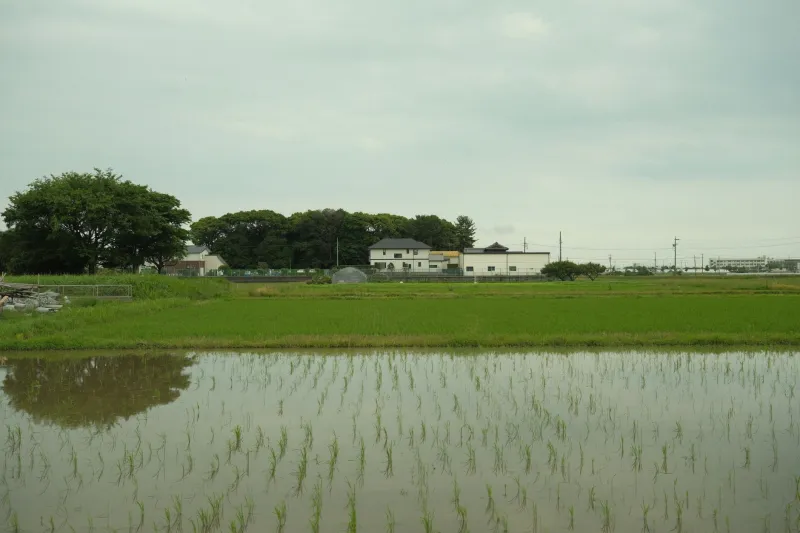
The first town is in the Japanese mountains. The second is in the American Midwest. And I've spent time in both, which is why I've lost patience with the word 'nostalgia' in conversations about small-town revival.
It's Not Sentiment. It's Plumbing.
When American civic leaders talk about saving their towns, the language gets misty: community spirit, hometown values, the good old days. Rural Japan has plenty of that language too, but underneath it sits something unromantic — a set of systems that make participation the default rather than a heroic choice.
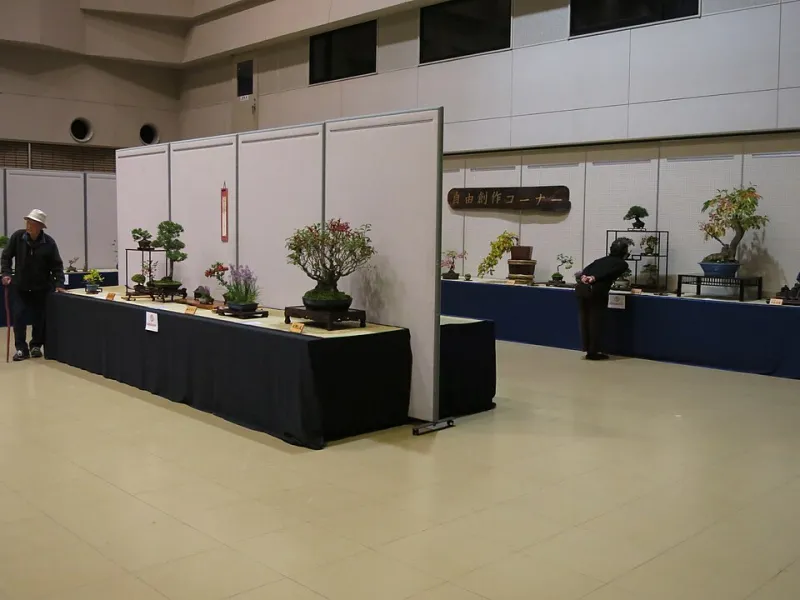
Take the festival. In many Japanese towns, neighborhood associations divide households into small groups, and each group has a role: carrying the mikoshi, cooking, cleanup, the年年-dreaded accounting. You don't opt in. You're assigned, and your neighbors notice if you don't show. Americans would call that pressure. Functionally, it's a delivery mechanism for belonging — and it means the festival happens whether or not anyone feels inspired that year.
The Unsexy Toolkit
Look at what actually keeps a Japanese town of 800 running, and you find a list that would fit on a planning commission's whiteboard:
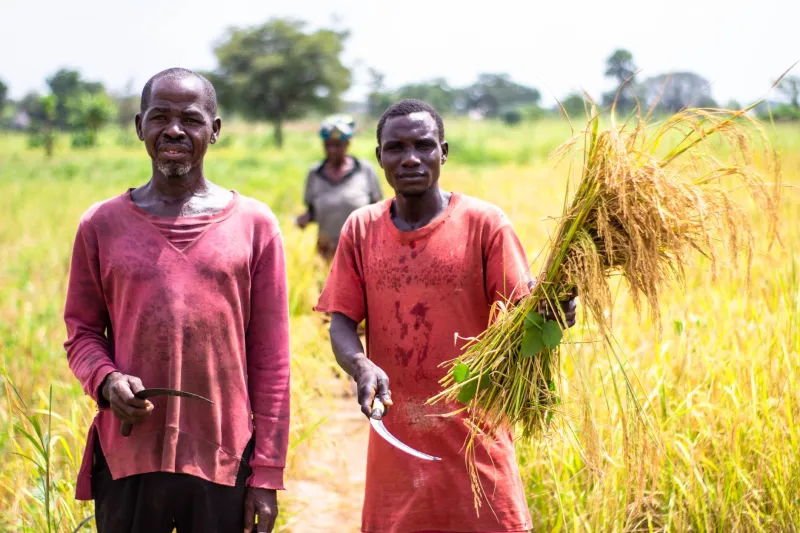
- Shared equipment. The rice planter, the community hall, even the hearse are often collectively owned. No family needs to buy a $30,000 machine that sits idle eleven months a year.
- Local currency and mutual credit. Many municipalities issue their own vouchers or points that only work at local shops — a mild, effective tariff against the big-box option an hour away.
- Multi-generational storefronts. Succession isn't left to chance; shops recruit, train, and sometimes import successors, including relative newcomers.
- Assigned roles. Fire brigade, festival committee, road cleanup — duties rotate by household, keeping the civic load distributed instead of crushing the same five volunteers.
Notice what's missing from that list: grants, slogans, a mural.
The Hard Part for Americans
Here's where I'll lose some readers: the Japanese model works partly because it's comfortable with obligation. The idea that you owe your town your presence — that showing up isn't a personal preference but a membership fee — runs against the American grain. We treat community as something you consume when you're in the mood.
But the towns I've watched struggle back on both sides of the Pacific have one thing in common: at some point, a small group stopped asking for volunteers and started assigning them, gently but firmly, with a roster and a deadline. It feels bossy for about one festival. Then it feels like a life.
So no, the answer isn't to import Japan's aesthetic. It's to import its logic: distribute the labor, share the machinery, make participation routine instead of optional. Hometown spirit isn't a feeling you wait for. It's infrastructure you build — and like all infrastructure, it only works if everybody's on the system.