Five Reasons to Ride Japan's Slowest Trains Before They Vanish
Photo: Gpwitteveen, CC BY-SA 4.0, via Wikimedia Commons
Let's get the logistics out of the way first: the train stops running early. Not late-evening early. Eight o'clock early. If you miss the last departure from a country station in rural Japan, your options shrink to a very expensive taxi or a very long walk. Plan around it, and you'll be rewarded with the best rail travel of your life.
1. The Stations Themselves Are the Destination
Many stations on Japan's rural single-track lines are unmanned — no staff, no ticket gates, sometimes no building at all beyond a waiting bench. What they do have is personality. Schoolchildren's artwork taped behind cracked plexiglass. A flower bed someone's aunt has maintained for thirty years. In some spots, local volunteers have turned waiting rooms into miniature museums of village history, complete with old festival photos and a guest book you should absolutely sign.
2. The Timetable Is a Village Document
Look closely at a rural timetable and you can read the community's whole rhythm. A train added at 7:42? That's the high school run. The mid-morning gap? Everyone's in the fields. You're not riding a service; you're riding a schedule built around actual lives, which is a rarer thing than it sounds.
3. You'll Actually Talk to People
On a two-car train with six passengers, conversation isn't optional — it's the entertainment. Riders going in to a doctor's appointment, a grandmother with shopping, the occasional farmer who will explain, in detail, exactly what's growing in every field you pass. Bring cash for the fare (many of these lines still don't take IC cards) and an appetite for small talk, even the charades-based kind.
4. The Scenery Comes at Train Speed
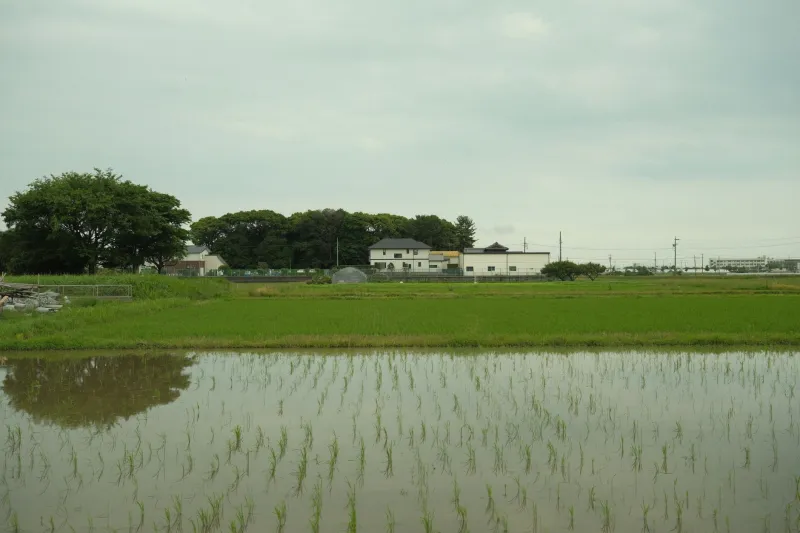
Buses rush. Cars are sealed off. A single-track local crawls along river valleys, through cedar tunnels, past rice paddies that flash by close enough to count the seedlings. Some lines are famous for it — the scenery is literally the product — but even the humblest branch line delivers views no shinkansen passenger will ever see.
5. Riding Is a Form of Rescue
Here's the honest part: many of these lines are on borrowed time. Ridership has collapsed, and prefectures have already converted several former routes to buses. But every ticket purchased is data. Rail operators and local governments track usage, and tourism — especially from visitors willing to buy a one-day pass and ride end to end — genuinely strengthens the case for keeping service alive. Some lines have been saved, or at least stalled, by exactly this kind of attention.
Practical Notes Before You Go
- Check the timetable twice: some lines run only a handful of departures per day, not per hour.
- Carry yen in small bills; unmanned stations often use fare-collection boxes on exit.
- Download the line's map offline — cell service gets patchy in the valleys.
- Build slack into your day. If you miss a connection, the next train may be tomorrow.
Ride slowly, sign the guest book, and buy the return ticket. The 8pm curfew is real, but so is everything you'll see before it.