One Dish, One Family, Five Centuries: The Village Meal No Restaurant Could Ever Serve
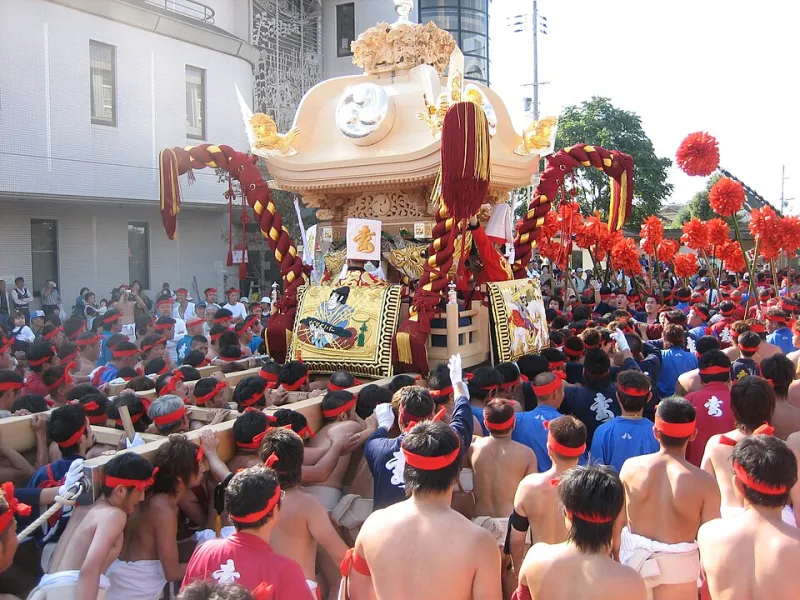
Photo: Corpse Reviver, CC BY-SA 3.0, via Wikimedia Commons
There's a moment at every shrine festival banquet in rural Japan that would confuse an American caterer. The food arrives — dozens of dishes, carried in stacked lacquered boxes and dented aluminum pans — and somebody's grandmother announces, without ceremony, exactly who made what. Not because anyone's keeping score. Because everyone already knows.
The Kimura family has brought the same simmered burdock root to the autumn festival for as long as anyone can remember. The house at the top of the hill does the mochi. The family that runs the tiny tofu shop three lanes over never has to be asked about the miso soup; it's simply theirs, the way their name is theirs.
A Recipe as a Kind of Property
In these villages, a dish can function almost like an heirloom. It's not written down — or if it is, the handwritten card lives in a kitchen drawer and leaves the house only once or twice a year. Children learn it by standing next to a parent, getting corrected on the amount of soy sauce the way they'd get corrected on their posture.
Anthropologists have a term for this kind of obligation, but the villagers themselves just call it yarikiri — roughly, doing your part. When the shrine's harvest festival rolls around, no one sends a signup sheet. Your household brings its dish. That's not a chore; it's an identity. You could no more show up without the burdock root than show up without pants.
Why the Feasts Survive When the Restaurants Don't
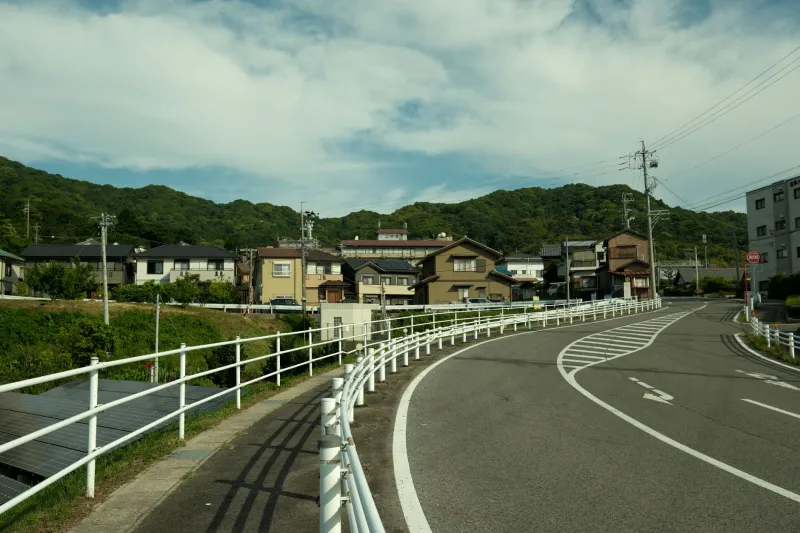
Here's the part that stings a little for anyone who loves a good dining-out scene: most of these villages haven't had a restaurant in decades. The local shokudo closed when the owner's kids moved to Osaka. And yet the community eats together more often, and arguably better, than most American towns with a Main Street full of eateries.
The reason is structural. A restaurant concentrates the labor of feeding people into one overworked pair of hands — and when those hands retire, the meals stop. The village feast distributes that labor across every household, each carrying only a fraction of the weight. Nobody burns out because nobody is doing it alone. It's a potluck, yes, but a potluck with 500 years of quality control, where your grandmother's reputation is on the line every single time.
Mochi-pounding days work the same way. The steaming, the hammering, the turning — the jobs rotate by household, and the person doing the turning this year will be doing the pounding in ten. The equipment belongs to the neighborhood association. The skill belongs to everyone and no one.
What Americans Might Take From It
We tend to think of feeding a community as something you hire out — a food truck, a church supper catered by the BBQ place two towns over. There's nothing wrong with a good brisket. But something specific happens when the food can't be bought: the meal becomes a record of who lives in the place. You taste the families. You taste the decades.
If you're visiting rural Japan and get invited to a festival dinner — and if you linger anywhere long enough, you will be — don't treat it like a food tour. Ask whose dish is whose. The answer is a map of the village, drawn in soy and rice flour, older than any signage in town.